
OnlyFans free pages convert followers into paying customers by removing the subscription barrier and moving spending decisions into individual messages. A free page does not charge a base monthly fee, so the conversion happens later, inside the feed and the inbox, one unlocked pay-per-view message at a time. That structure changes how subscribers experience cost. Instead of one known charge on a renewal date, spending becomes a series of small, optional-looking choices that accumulate quietly.
This guide breaks down the mechanics from the subscriber’s side: how entry psychology works, how content gets gated, how pay-per-view messages are priced and timed, and how to track your own totals before they surprise you. It also compares the real cost of heavy free-page use against ordinary paid subscriptions that start at $4.99. BestOnlyFans refreshes its rankings every month. BestOnlyFans refreshes its rankings every month.

The Zero-Dollar Entry Psychology
No card charge occurs at signup, and the visitor gets immediate access to the feed. Compare that with a paid page, where the platform’s minimum base price is $4.99 and the maximum is $49.99. The zero-dollar entry removes the first decision point entirely, which is why it converts so many casual visitors into followers.
The psychology runs on a simple gap. What they often miss is that free pages earn through pay-per-view messages and tips, so the revenue model simply moved from the front door to the inbox.
| Perceived Benefit | Actual Cost Structure | Subscriber Mindset |
|---|---|---|
| Immediate access with a “no commitment” feeling | No base fee, but variable pay-per-view and tip costs over time | “I will just look around and decide later” |
| Hidden, pay-as-you-go spending | Each unlock is charged individually, with no monthly ceiling | “It is only a few dollars each time” |
| Freedom to follow many pages at once | Costs spread across multiple creators instead of one renewal | “I can always unfollow if it adds up” |
The risk is behavioral: small amounts feel trivial in the moment, and the absence of a renewal date means nothing prompts a monthly review.

Content Gating Strategies Free Pages Employ
Free pages cannot rely on subscription revenue, so they divide content into two layers: what the whole feed sees and what requires payment. The public layer builds familiarity and routine. The locked layer carries the paid material, usually distributed through direct messages rather than the main feed.
A creator who posts consistently gives followers a reason to return, and returning followers are the ones who eventually unlock something. Common teasing formats include:
- Censored feed previews that show composition but withhold the full image
- Short clips that cut off before the payoff moment
- Text-only descriptions of locked content, so the offer is described rather than shown
- Interactive polls asking followers what they want to see next
- Pinned posts advertising upcoming pay-per-view releases with a release window
These formats work because they create a specific, concrete curiosity rather than a general one. A follower is not wondering whether the page has good content; they are wondering what is inside one particular locked item.
Pay-Per-View Message Mechanics
Pay-per-view messages are direct messages with attached media that stays blurred until the recipient pays to unlock it. The price is set by the creator, and unlocks can go up to $50. Paid chat is a separate channel and commonly runs $3 to $5 per message.
Timing matters as much as price. Creators rarely send a high-priced unlock to a brand-new follower, because trust has not been established yet.
- Free subscription confirmation, with no charge and immediate feed access
- A welcome message containing a low-priced teaser unlock
- An engagement period with regular feed posts and light conversation
- Escalating pay-per-view offers shaped by the follower’s interaction history
A follower who opens every message quickly and unlocks occasionally will receive different offers than one who never responds. This is ordinary marketing segmentation, and it is why two followers on the same page can see very different inboxes.
Tip: before unlocking, check whether the message states the length and format of the content. A clear description is a fair offer; a vague one is a reason to wait.
When a creator raises a subscription price, auto-renew stops, and existing access continues until the paid period ends. That protection does not exist for pay-per-view, because each unlock is a one-time purchase with no renewal to cancel.

Building Purchase Funnel Urgency
Urgency tactics are common on free pages because the follower has no sunk cost pushing them toward a purchase. With no subscription fee already paid, the only pressure to buy comes from the offer itself, so creators build that pressure deliberately.
Limited-time pricing is the most visible version. A message might state that an unlock is discounted for a short window. Countdown language works the same way: it converts an open-ended decision into a deadline, and deadlines reduce hesitation. Personalized messages add a second layer, addressing the follower by name or referencing a previous reply.
Promotional pricing is legitimate, and the platform allows first months below the usual floor, such as a $3 first month on a paid page. The base price still cannot fall below $4.99, but introductory offers can. Recognizing the difference between a real promotion and manufactured scarcity is a useful skill.
Subscriber Self-Monitoring Techniques
Because free pages produce no renewal notice, the only reliable spending signal is the one you create yourself.
- Keep a weekly spending log with dates and amounts
- Screenshot price offers so you can decide later without pressure
- Set a calendar reminder to review your monthly total
- Keep a fixed balance in the platform wallet as a hard limit
- Annotate which purchases actually delivered value
- Audit every free page you follow and unfollow inactive ones
The wallet limit is the most effective single control, because it makes overspending impossible rather than merely visible. The annotation habit is the second most useful, since it turns an abstract total into a record of what you would buy again.

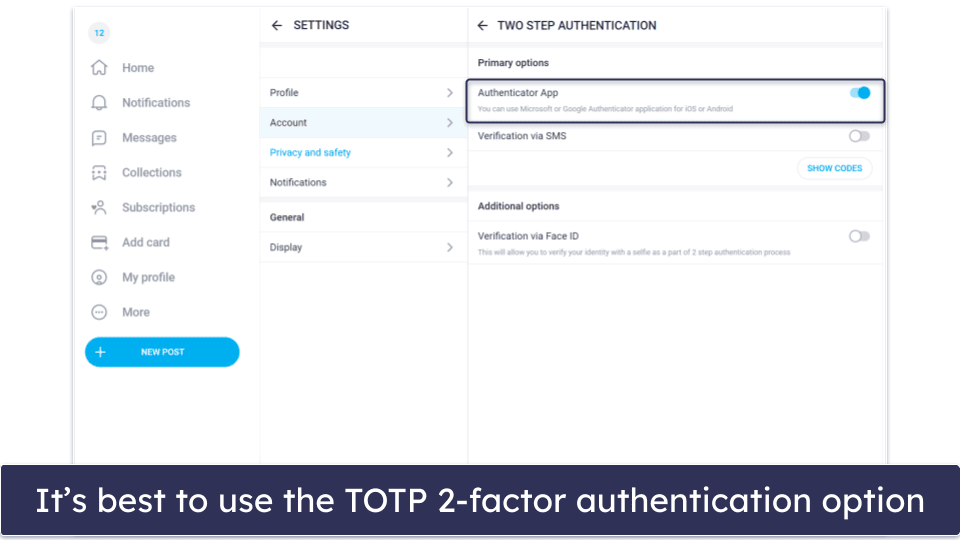
Account security belongs in the same routine. Two-step authentication protects your payment method and message history, and it takes about a minute to enable in settings. Spending control and account control are the same project, since a compromised account can also mean unauthorized charges.
Platforms that rank and describe pages exist for a reason: OnlyFans has no built-in discovery feed or directory, so followers cannot browse a catalog inside the app. Comparison sites fill that gap, and resources like this free onlyfans real listing illustrate how third-party directories organize pages by price model and content type.
Recognizing Ethical Versus Pushy Conversion
A well-run free page is transparent about what costs money and what does not. A pushy one relies on confusion, repeated pressure, or claims that do not hold up. The distinction usually appears in the first few messages, which makes early evaluation cheap.
Transparency indicators to look for:
- Clear pricing stated in the message before any unlock prompt
- Sample thumbnails showing what the locked item contains
- Content length or format stated upfront
- No false scarcity claims about content that will clearly remain available
- A consistent posting schedule that continues regardless of sales
The last indicator is the most telling. A creator who keeps posting when sales are slow is running a page, not a squeeze. A page that goes quiet between sales pushes and reappears only with new unlock offers is signaling that the feed exists mainly to generate purchase prompts.
Neither pattern is against the rules. The platform fee of 20% applies to everything, and the creator keeps 80%, so every page is under real revenue pressure. Knowing that context helps you read the behavior without assuming bad intent.

When Free Page Spending Exceeds Paid Subscriptions
Heavy pay-per-view use on free pages can cost more than a normal paid subscription, which typically sits between $4.99 and $15 with averages clustering around $5 to $10. The crossover is not obvious in any single month, but it becomes clear over a quarter.
| Usage Pattern | Estimated Monthly PPV Total | Equivalent Paid Alternative |
|---|---|---|
| Occasional unlocker, one or two purchases per month | $8 | $9.99 monthly subscription with no per-item unlocks |
| Moderate buyer, several unlocks across two pages | $25 | $14.99 subscription plus a small tip budget |
| Heavy free-page user, frequent unlocks on multiple pages | $45 | Two or three paid subscriptions at $9.99 each |
Three scenarios make the break-even threshold concrete:
- Occasional unlocker at $8 per month versus one $9.99 subscription covering all content on a single page
- Moderate PPV buyer at $25 per month versus a $14.99 subscription plus tips
- Heavy free-page user at $45 per month versus multiple paid subscriptions at $9.99 each
The pattern is consistent: once you unlock regularly on the same page, a paid subscription usually delivers more content for a predictable charge.

Two smaller costs are also worth tracking. Card verification can place a temporary hold of $0.10, refunded within days, and that hold sometimes appears on statements and causes momentary confusion. Promotional first months below $4.99 likewise reset to the standard base price afterward, so the second month costs more than the first.
Reviews from independent ranking projects, including the methodology used by BestOnlyFans, generally treat the free-versus-paid comparison as a budgeting question rather than a quality question. Both models can be run well, and both can be run poorly.
FAQ
Why do creators offer free pages instead of charging the minimum $4.99 subscription?
Anyone can follow at no cost, and the creator earns through pay-per-view messages and tips instead of a base fee. Because unlocking is optional at each step, more visitors convert into some form of spending over time, and the 80% creator share applies to every unlock and tip.
How quickly do free pages typically send their first pay-per-view message?
Most send a welcome message shortly after the free subscription is confirmed, often with a low-priced teaser unlock attached. Higher-priced offers generally arrive later, after a period of engagement, because trust and familiarity increase the odds of a purchase.
Can I avoid all PPV costs while following a free page?
Pay-per-view is entirely optional, and the feed remains accessible without unlocking anything. The only thing you give up is the locked content itself, which is the part the page sells.
Does the 20% platform fee affect what I pay for PPV content?
Indirectly. The 20% platform fee is deducted from what the creator receives, and the creator keeps 80%. Prices are set with that split in mind, so it influences the amounts you see on unlock prompts, though it is not added on top of the price you are quoted.
